Hit Enter to Search or X to close
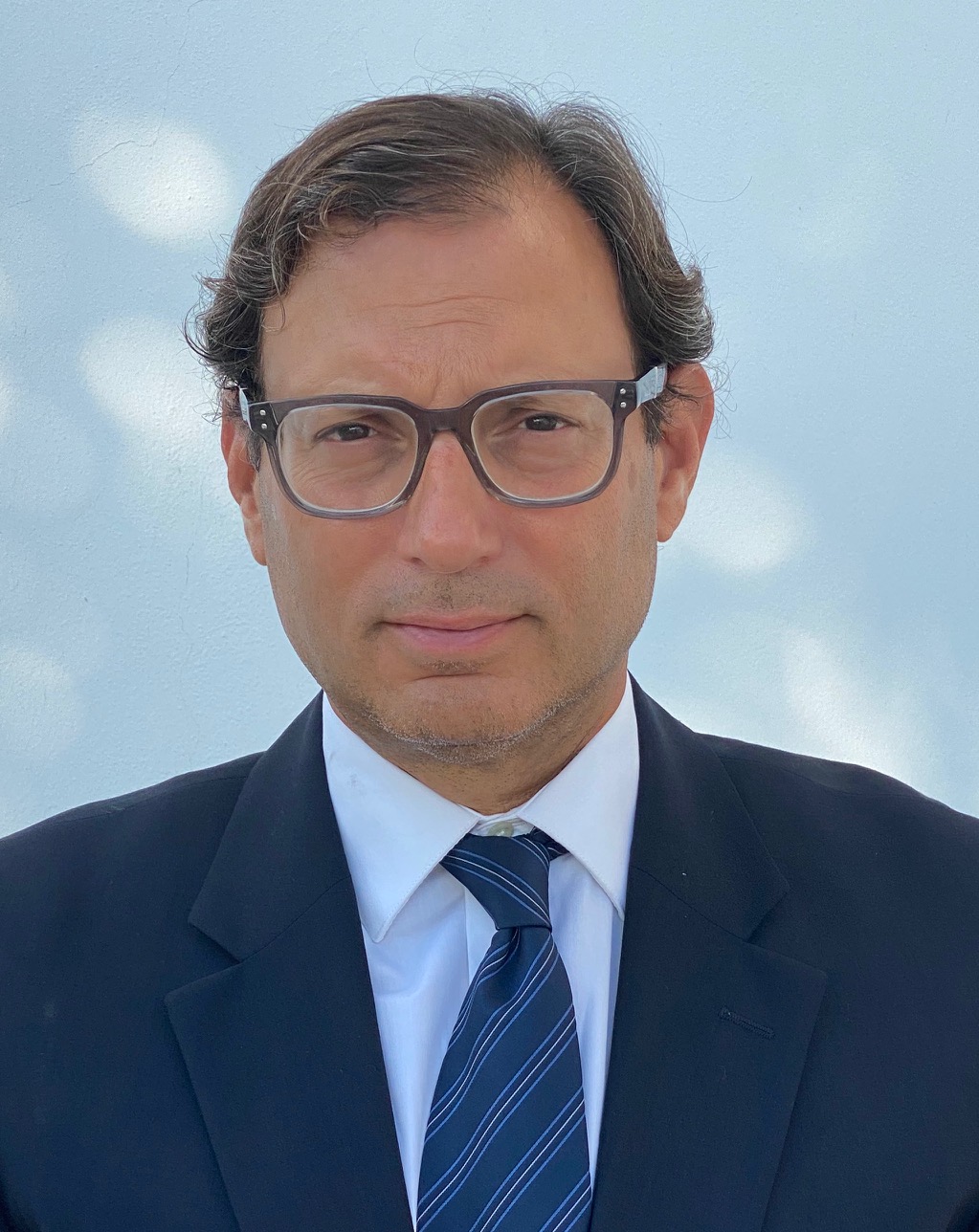
Peter Poulos: Receiving Much from Hellenism – and Giving Back
March 9, 2024
ATHENS – It’s not by luck or a coincidence that so many successful people dedicate part of their precious time to The Hellenic Initiative (THI), the global non-profit organization that brings together Diaspora Greeks and Philhellenes to invest in Greece through programs focused on economic development and crisis relief and helping to build the New Greece. The reasons include the dynamic THI leadership, starting with Board President George Stamos and Board Chair Andrew Liveris, but also the seeds of Hellenism planted in their descendants by Greek immigrants everywhere.
Peter Poulos, past and now interim Executive Director, is a prime example, one of those who are images of the Diaspora’s past as well as its future. He is a fourth generation Greek-American who is as passionate a Hellene as any of the first generation, proof that there must be a template, unique among immigrant groups, that is passed down through the generations that makes them not just proud of their heritage, but to feel a duty to grow their Hellenism, and to give back.
He was born and raised in East Patchogue, Long Island. “My mother was born in Southampton and my father in Brooklyn. My grandparents all grew up in the U.S. and my great-grandparents were in the States as well – they left Greece in the 1890s, from Mani.”
‘Potential’ is the word that comes to mind – the seeds of Hellenism are planted deep, ready to sprout everywhere in everyone, which gives more than hope that in 100 years the 50 Wealthiest List will be alive and well and stories similar to Poulos’ will abound.
The Family Story – Beautifully Similar, Deliciously Different
“We grew up in a Greek household very proud of our Greek heritage. We didn’t speak Greek, we didn’t go to Greece every year, but we were very involved in our Church. Our parents were very Greek, although they were 2nd and 3rd generation, college-educated professionals.”
Asked about memories of being shaped as Hellenes by his relatives in word and deed, he blurted: “oh my God, my Yiayia!”
Poulos said, “we were very close to our relatives, we had name day parties and we were tied to the idea of ‘giving back’” – to the Church and Community. “Even though we were assimilated, it was a very meaningful Greek existence as well. In our house, growing up, there were always books on Greece, and music, watercolors my parents collected from Athens – there were always Greek things around. Of course, the food was a huge part – we always sat down for the family meals. My father was the big cook in the family – Wednesdays and Fridays we always had fish and we fasted for the Church holidays – we were serious about all that.”
And the Greek beat goes on: “If you asked my nieces and nephews,” i.e. the 4th and 5th generations, “what is your identity, they say ‘oh! We are Greek!”
He noted, however, that appreciation is often lacking in the homeland. “When they count the members of the Greek Diaspora – we wouldn’t be counted. We would not be considered Greek because we don’t speak the language, we don’t vote in Greece, we don’t visit all the time. In the eyes of the Greek state, we don’t exist” – and yet, Poulos and his family continue to give.
“And I learned Greek – I took Greek at Georgetown University” – he earned his BA in International Relations at George Washington University – “and I did my semester abroad in Greece. My brother and sister follow the family traditions. They are all still alive – we dye our Easter eggs on Holy Thursday, we marked our father’s 10 year memorial and my Pappou’s 57th.”
His grandparents and great-grandparents were in the restaurant and confectionery business. “My mother’s parents had the Candy Kitchen in Center Moriches in Long Island – that was an institution – our other relatives were already in the Hamptons and eastern Long Island with places that still exist. My father’s father, and his father, had bar and grills in downtown Brooklyn – Damon Runyan was my Pappou’s best friend.”
Peter Poulos’ father owned pharmacies and his mother was a beloved first grade teacher. “In her 50s, she went back to college and got a double Master’s in English Literature and Journalism at Stony Brook.” ‘Αιέν αριστεύειν – Ever to excel.’
Return to Origins – The Magnetism is Strong
He now he lives in Greece and is fluent. Indeed, not all families display that kind of devotion, but the potential is there among Hellenes abroad of the 4th and 5th generation and it always will be – if Hellenism reaches out to them. THI and The National Herald are doing their part. THI’s New Leaders young professionals group is thriving, and almost every week, our newspaper’s TTT – THI/TNH Takeover feature introduces the NEXTGEN of Greek/Cypriot ‘movers and shakers’ to the Community.
“We just had a wonderful New Leaders reception in Washington, DC – 160 kids and 160 on the waiting list – it was a mob scene. Non-Greeks tell me ‘Peter, this doesn’t happen in other communities.’ We have these events, and it’s incredible. We are unique that way among immigrant groups.”
Poulos often wonders about “what makes us want to have this connection to the homeland regardless of what anyone in the government thinks about the ‘omogenia’. It’s in our blood.” Indeed, and in our souls, planted by our parents and grandparents.
It’s also ethnic magnetism – Greeks always to connect with Greeks.
He told a story about his ‘farewell’ to San Francisco, where he lived for 17 years. The store owner across the street where he always shopped didn’t even recognize him when he went to say ‘goodbye’ – “but when I moved to Athens, within a few weeks everybody in the neighborhood knew me, my name, my story – everything. My partner Mark and I say hello to 50 people every morning… and you see it at THI events – the networking. We all want to know each other and build our Greek ‘parea’.”
“And now we have a new thing,” he told TNH, “the unofficial Passport Group – people come from all over the world to be at our New Leader events – LA, New York, London, Athens, Miami – they all come. They want to meet each other.”
Drawn to THI
He believes people like him often wonder about their very Greek household, ‘are we an island? Do other people feel this way?’ “And then you start working with an organization like THI,” Poulos said. “And you meet our Board members and you think, ‘yeah, lots of people feel the way I do’ – growing up proud of my heritage and religion, and who we are as a people, the accomplishments of our community – of Greeks anywhere in the world. There’s the pride you feel when you see a Greek name in the newspaper, somebody who has done something special, and when you are the last person in the movie theater because you’re looking for Greeks in the credits!”
THI: A Reservoir and a Powerhouse of Hellenism
“At THI, we have 33 Board members who are from all over the world, in all sectors and all levels of success, and they all care deeply about the homeland and the future of Hellenism.” And they share that with their friends and colleagues, opening doors for potential investors and visitors. “Yes, they are all ambassador for Greece all over the world” – and many look forward to opportunities to help a fellow Greek.
Poulos believes that with 33 Board members he works closely with as Executive Director, he has 33 mentors. “I think it’s very important in your life to have a mentor at work – in the past, I felt that I didn’t have one, and then all of a sudden to have 33? I can’t explain what a thrill and how beneficial that is to your personal growth and professional career.”
He emphasized that “our Board is so curated that it stands up to any board on any non-profit organization. I can’t say enough good things about how committed they are to THI’s mission.”
He agrees they are the kinds of people with whom every conversation yields something of interest and value.
“It’s fascinating what these people have done with their lives. The list is endless.”
The newest Board member is William Spell from Minnesota. “Greeks in Minnesota! The easiest thing in the world is to assimilate and lose your heritage, yet with us, the exact opposite happens.”
He noted that “when THI makes an online appeal, the two leading areas are the New York and Boston Metropolitan areas, and then third is… Wisconsin!”
It is true: Greeks are and thrive everywhere.
.svg)



Get weekly updates
*We’ll never share your details.

Join Our Newsletter
Get a weekly selection of curated articles from our editorial team.